
Serving LLMs to Children
Serving LLMs to teach children languages looks simple at first. The child writes something, the model replies, and the child learns. But once the user is a child, the product bar changes.
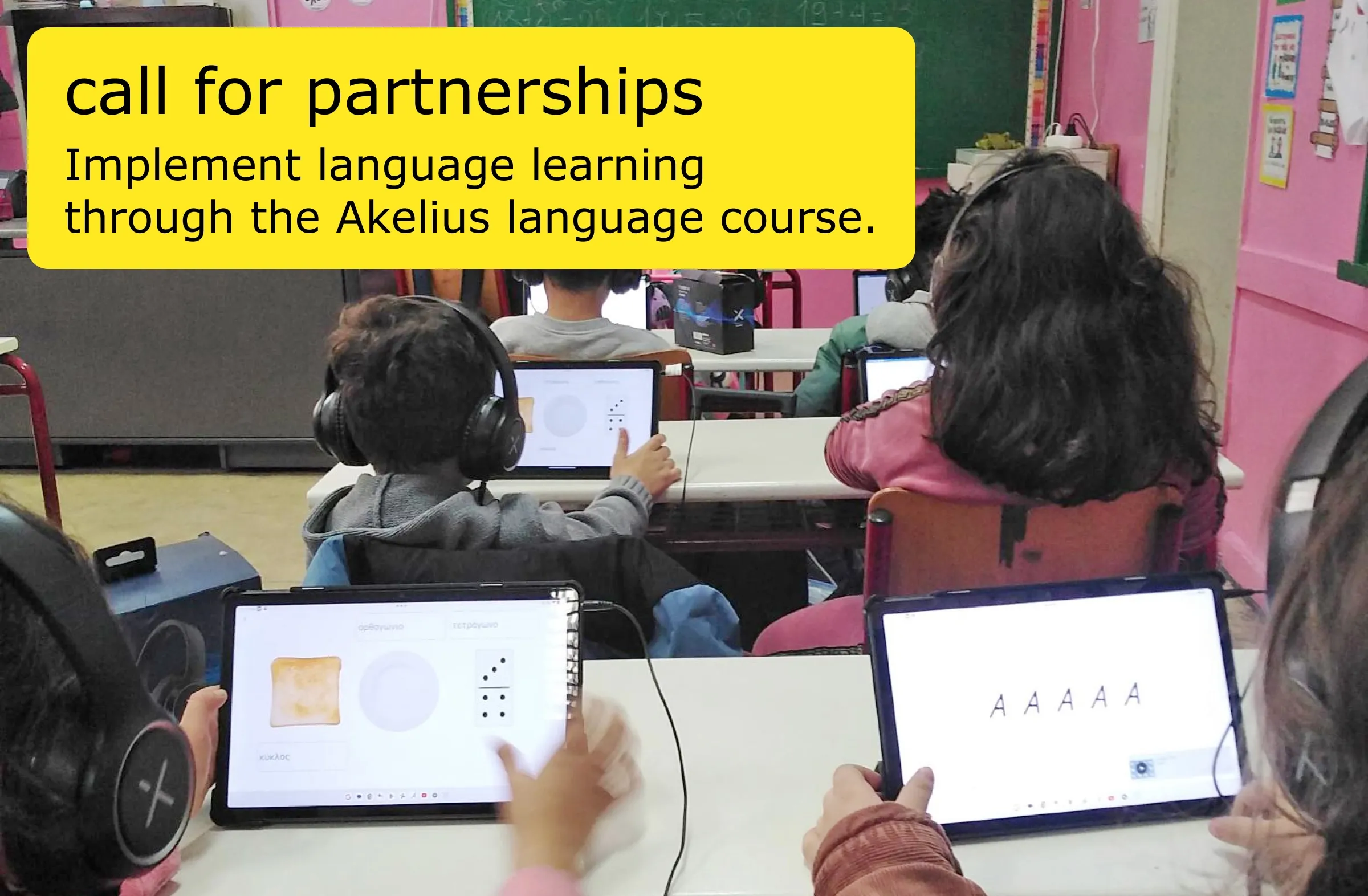
The model should stay inside the lesson. Children can ask anything, but the system should not drift into adult topics, personal advice, self-harm, violence, or anything inappropriate for a kids' product. A system prompt is not enough. You need guardrails, moderation before and after the model, topic boundaries, and tests for jailbreaks.
Privacy also matters more. Children may share names, schools, locations, family details, or photos without understanding the risk. Store the minimum data needed, keep retention short, and avoid linking raw messages directly to users unless it is necessary. Logs used for debugging, analytics, or evaluation should be anonymized or pseudonymized by default.
Evaluation should also be age-aware. It is not enough for the answer to be grammatically correct. The response should be simple, encouraging, age-appropriate, and useful for learning.
Observability still matters, but it should respect privacy. You need to know when moderation triggered, when the model went off-topic, and when the tutor gave a bad correction. But engineers should not need full access to a child’s conversation history to debug the system.
For adult products, a bad LLM response is often just a product bug. For children, it can become a safety and trust issue.
That is why production AI for kids needs three things: evaluation, guardrails, and privacy-aware observability.